Flat Roof Skylights: Boosting Airflow and Natural Light
Flat roof skylights provide a practical solution for enhancing both light and air circulation in indoor areas. They can change poorly lit rooms into well-lit, welcoming spaces while also boosting ventilation. Homeowners must consider various factors, such as skylight types and fitting approaches, to ensure maximum performance. The merits reach beyond aesthetics; they can significantly impact energy efficiency. Grasping these components is crucial for homeowners evaluating the integration of skylights into their home.
Grasping the Advantages of Skylights on Flat Roofs
While some may overlook flat roofs as viable sources of natural light, skylights can greatly elevate their practicality and aesthetics. Installing skylights on flat roofs permits increased natural light, reducing dependence on artificial lighting and creating a more pleasant atmosphere. This flow of sunlight can also enhance mood and productivity in living or commercial spaces. In addition, skylights support energy efficiency by supplying passive solar heating, which can reduce heating costs in cooler months. Moreover, they can assist with ventilation, supporting air circulation and stopping moisture buildup. Ultimately, the integration of skylights transforms flat roofs into vibrant living areas, blending design with practicality while maximizing the use of available space.
Varieties of Skylights Suitable for Flat Roofs
When looking at skylights for flat roofs, it is crucial to review the different types available. Fixed skylights present a uncomplicated solution for enhancing natural light, while ventilated skylights present the further benefit of better air circulation. Each type features unique features and benefits that can substantially affect the visual appeal and functionality of a space.
Features of Fixed Skylights
Fixed skylights represent a perfect solution for flat roofs, as they offer a seamless integration of natural light while preserving structural integrity. These skylights are available in various styles, including rectangular and circular designs, providing versatility to suit different architectural aesthetics. Made from durable materials such as tempered glass or acrylic, fixed skylights are designed to withstand harsh weather conditions, providing longevity and minimal maintenance. Their installation typically involves a low-profile frame that blends seamlessly into the roofline, minimizing the risk of leaks. Additionally, fixed skylights are available in energy-efficient options, featuring low-emissivity coatings to minimize heat transfer. This makes them not only functional but also a stylish enhancement to any flat-roofed structure.
Ventilated Skylights Perks
Ventilated skylights offer distinct advantages over fixed skylights, particularly for flat roofs where air circulation can be limited. By facilitating fresh air intake and stale air removal, these fixtures elevate indoor air quality and overall comfort. These systems assist in temperature control, minimizing reliance on extreme heating or cooling, resulting in energy cost reductions. Furthermore, operable skylights help reduce moisture accumulation, deterring mold development and potential structural harm. These units generally feature motorized operation systems, offering user-friendly convenience. Offered in multiple configurations, including manual and automated options, they accommodate diverse design tastes while optimizing performance. All things considered, vented skylights constitute an effective option for upgrading ventilation and illumination in flat-roofed areas.
Considerations to Consider When Selecting Skylights
While selecting skylights for flat roofs, multiple critical factors should be assessed. Size and positioning can significantly affect both aesthetics and functionality, while the glass type selection affects energy efficiency and safety. In addition, understanding installation and maintenance requirements is vital for ensuring long-term reliability and durability.
Dimensions and Positioning Factors
Picking the correct size and placement for skylights is critical to maximizing natural light and maintaining energy efficiency in flat roofs. The size of the skylight should align with the room's dimensions; larger spaces work better with bigger skylights to enhance illumination. Furthermore, the installation location plays a vital role in light distribution and heat gain. Placing skylights on the south or west side can capture more sunlight, while avoiding placement in areas that may cause excessive heat buildup. Consideration should also be given to the surrounding structures and trees, which can block light. In conclusion, ensuring proper alignment with the roof's slope and drainage patterns is crucial for preventing water leakage and ensuring long-term performance.
Glass Type Options
Choosing the right glass type is as important as establishing the size and placement of skylights for flat roofs. Numerous glass options are available, each delivering distinct advantages. Tempered glass is favored for its strength and resistance to breakage, making it perfect for high-traffic areas. Laminated glass delivers enhanced safety, as it holds together when shattered, reducing injury risks. Low-E glass is engineered to reflect heat and UV rays, enhancing energy efficiency and comfort. Furthermore, some skylights feature double or triple glazing, which increases insulation and reduces noise. When selecting glass types, factors such as local climate, building codes, and aesthetics should also be evaluated to guarantee optimal performance and longevity for the skylight installation.
Setup and Maintenance Needs
Appropriate installation and ongoing maintenance are essential learn here factors that greatly impact the performance and longevity of skylights on flat roofs. When picking skylights, it is crucial to factor in the installation process, which should comply with local building codes and manufacturer guidelines to ensure maximum functionality. Professional installation is frequently advised to avoid leaks and structural issues.
Regular maintenance entails routine inspections to look for signs of wear, such as sealant deterioration or cracks, which can jeopardize the skylight's integrity. Periodic glass cleaning helps preserve clarity and maximize light entry. Moreover, ensuring proper drainage around the skylight is vital in avoiding water accumulation and resulting damage. By emphasizing these factors, homeowners can enhance the benefits of their skylights while reducing potential problems.
Installation Procedure for Flat Roof Skylights
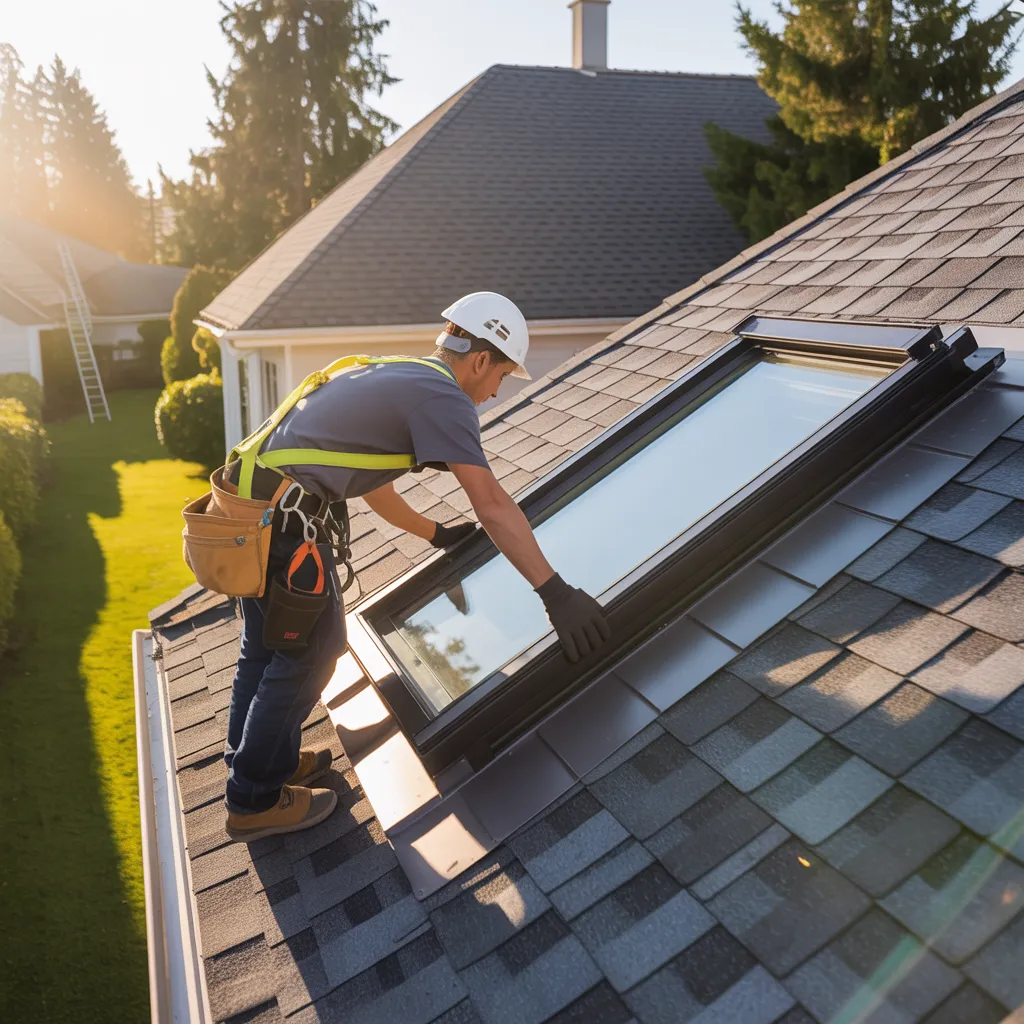
Proper installation of flat roof skylights calls for thorough planning and careful attention to details. The first step is evaluating the roof structure and verifying it can support the skylight's weight is essential. The next step involves choosing the right skylight size and type, which should align with the roof's design and intended use. Accurately marking the installation area enables accurate cutting of the opening. Once the opening is created, a curb is assembled to deliver a solid base and verify proper drainage. Waterproofing materials need to be applied around the skylight to prevent leaks. Finally, the skylight is safely mounted and sealed, ensuring all connections are watertight. Following these steps maximizes both performance and visual appeal of the skylight.
Maintenance Tips for Flat Roof Skylights
Following the setup of flat roof skylights, routine upkeep is essential to maintain their longevity and peak performance. Routine checks should be executed to look for leaks, cracks, or signs of wear, as these issues can affect performance. Cleaning the skylight regularly helps avoid buildup of debris and opacity, providing maximum light penetration. It is recommended to use gentle soap and water, refraining from harsh chemicals that may damage the materials. Also, examining the seals and flashing is vital, as these components protect against water entry. If any problems are discovered, swift corrective action or replacement should be made to avoid subsequent issues. In summary, a diligent upkeep regimen can greatly prolong the life of flat roof skylights and improve their decorative value.

Enhancing Energy Efficiency With Skylights
Skylights significantly improve energy efficiency in homes and commercial buildings by maximizing natural light while reducing reliance on artificial lighting. This natural illumination not only produces a dynamic atmosphere but also cuts energy consumption, leading to lower utility bills. Furthermore, modern skylights are constructed with energy-efficient glazing that decreases heat loss in winter and reduces heat gain in summer, creating a more stable indoor climate. When carefully placed, skylights facilitate cross-ventilation, which further assists in regulating temperature and decreasing the need for air conditioning. By integrating skylights, property owners can achieve sustainable energy usage while improving the overall comfort and appeal of their spaces. Overall, skylights function as an effective solution for improving energy efficiency in different environments.
Design Concepts for Integrating Skylights In Your Home
How might homeowners successfully add skylights to their residential spaces? A recommended method involves placing skylights over frequently used areas, such as living rooms or kitchens, to increase natural light and create an inviting atmosphere. Moreover, installing multiple smaller skylights can boost light distribution without overwhelming the space. Homeowners may also consider using operable skylights, which provide ventilation, enhancing air circulation and indoor comfort. For aesthetic appeal, frame skylights with decorative trim that complements existing architecture. Furthermore, integrating blinds or shades allows for light control and privacy. Finally, aligning skylights with architectural features such as beams or partitions can create a cohesive design. These careful implementations can transform a home, making it brighter and more energy-efficient.
Questions & Answers
Is Skylight Installation Possible on Existing Flat Roofs?
Yes, skylights can be fitted on existing flat roofs. Nevertheless, careful consideration of structural integrity, waterproofing, and local building codes is crucial to ensure proper installation and stop potential issues such as leaks or damage.
What Are the Average Costs Associated With Flat Roof Skylights?
Average costs for flat roof skylights generally range from $500 to $2,500, based on installation complexity, size, and material. Further considerations like location and contractor rates can also influence the total cost.
What Effect Do Skylights Have on Indoor Temperatures All Year Long?
Skylights can greatly influence indoor temperatures throughout the year. In the summer months, they might elevate warmth, while during cold months, they can aid in passive solar heating, generating a more balanced indoor climate throughout.
Are There Specific Building Codes governing Flat Roof Skylights?
Indeed, certain building codes are in place for flat roof skylights, differing by location. These codes govern setup, size, and safety standards, maintaining structural integrity and adherence with local ordinances to eliminate potential hazards and promote energy efficiency.
How Can I Determine if My Flat Roof Will Support a Skylight?
To evaluate whether a flat roof can support a skylight, you should analyze the roof's structural integrity, examine architectural plans, and analyze load-bearing capabilities, guaranteeing compliance with local building codes and safety standards.